Roseville :(916) 630-7633


Some soreness after having a tooth removed is a normal part of recovery, but knowing how to relieve pain after tooth extraction can make the first few days much easier. The right aftercare helps protect the extraction site while your mouth heals.
At Tooth By Sunny Badyal, patients seeking tooth extractions in Roseville receive post-procedure guidance designed to support healing and reduce discomfort. The practice focuses on comfortable, carefully planned extractions and provides patients with instructions for caring for the area afterward.
The most important thing is to give the extraction site time to heal and follow the specific instructions provided by your dental team.
Is Pain Normal After a Tooth Extraction?
Yes. Some discomfort following an extraction can be expected, particularly during the initial healing period. The amount of soreness can vary depending on the tooth, the complexity of the extraction, and your individual healing process.
The Tooth explains that initial healing usually takes a few days, while gum tissue may take approximately one to two weeks to fully recover, depending on the complexity of the extraction.
During this period, you may notice tenderness around the extraction site. The goal of aftercare is not necessarily to eliminate every sensation immediately, but to keep discomfort manageable while the tissues recover.
Follow Your Dentist’s Post-Extraction Instructions
Your dentist knows what was involved in your particular extraction and can provide instructions based on your treatment. At Tooth By Sunny Badyal, patients receive post-procedure guidance intended to support healing and reduce discomfort.
Rather than relying on generic advice from the internet, use the instructions provided after your appointment as your primary guide. If something about your recovery seems different from what your dentist explained, contact the dental office for guidance.
Eat Soft Foods While the Area Heals
One of the simplest ways to make recovery more comfortable is to avoid putting unnecessary pressure on the extraction area.
The Tooth recommends soft foods during the initial healing period and advises patients to chew on the unaffected side of the mouth.
Examples listed by the practice include:
- Yogurt
- Mashed potatoes
- Soup
- Smoothies
- Scrambled eggs
Choosing foods that are easy to eat can help you avoid irritating the healing area. Chewing away from the extraction site also reduces direct pressure on the area.
As your mouth heals and your dentist’s instructions allow, you can gradually return to your usual eating habits.
Give the Extraction Site Time to Heal
It can be tempting to check the extraction area frequently when it feels sore. However, healing takes time.
After an extraction, your body begins repairing the tissues around the area where the tooth was removed. The Tooth emphasizes proper post-procedure care and notes that soft foods and chewing on the unaffected side can support the healing process.
Try to think of recovery as a gradual process rather than something that should feel completely normal immediately after treatment.
If your extraction was more complex, your recovery may also differ from someone who had a straightforward extraction. Your dentist can tell you what timeframe is appropriate for your specific situation.
What If the Pain Gets Worse Instead of Better?
Not all post-extraction pain should simply be watched at home.
The Tooth advises patients to contact their dentist if they experience severe pain, swelling that becomes worse after a few days, or excessive bleeding.
These symptoms deserve professional evaluation because your dentist can examine the extraction site and determine whether additional care is needed.
A painful complication such as dry socket can also occur after an extraction. The American Dental Association’s MouthHealthy explains that dry socket can develop when the blood clot protecting the extraction site becomes displaced, exposing underlying bone and nerves.
If your pain seems unusually intense or is getting worse rather than improving, contacting your dentist is a better approach than trying to manage the problem yourself.
When Should You Contact Your Roseville Dentist?
Call your dental office if you are concerned about your recovery, especially if you have:
- Severe or increasing pain
- Swelling that worsens after several days
- Excessive bleeding
- Symptoms that seem significantly different from the recovery instructions you received
Prompt dental evaluation can help determine whether the discomfort is part of normal healing or requires additional treatment.
Tooth By Sunny Badyal provides tooth extraction care for patients in Roseville, Sacramento, Yuba City, and surrounding communities. The practice’s Roseville office is located at 258 Gibson Dr #110, Roseville, CA 95678.
Can Pain Be Prevented Before an Extraction?
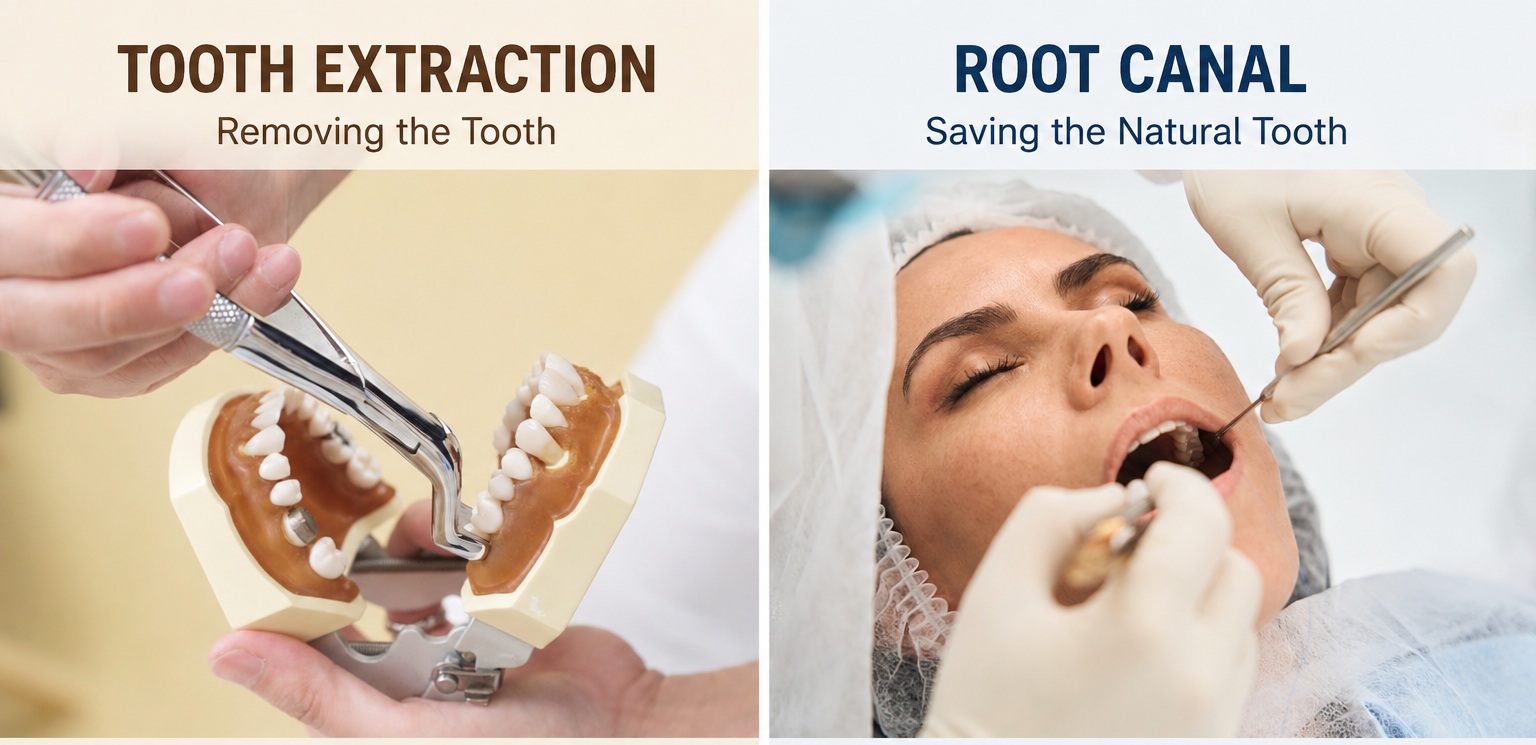
Good preparation starts with having the tooth properly evaluated. Tooth By Sunny Badyal explains that an extraction may be recommended when a tooth is severely damaged, infected, affected by advanced gum disease, broken beyond restoration, or causing problems such as wisdom-tooth crowding.
Before an extraction, the dental team evaluates the tooth and uses X-rays to assess the area. Local anesthesia is used to numb the treatment area during the procedure, followed by post-procedure guidance to support recovery.
The practice’s approach focuses on comfort, safety, careful planning, and precision throughout the extraction process.
For patients who are nervous about discomfort, discussing concerns with the dentist before treatment can help set realistic expectations for the procedure and recovery.
What Happens After the Tooth Is Removed?
A tooth extraction is sometimes the best way to protect oral health when a tooth cannot be saved. However, removing a tooth also creates a space that may eventually need to be addressed.
Tooth By Sunny Badyal notes that missing teeth can often be replaced after healing with options such as dental implants, bridges, or dentures, depending on the patient’s needs.
In some situations, preserving or rebuilding jawbone may also become part of the treatment plan. The practice offers bone grafting for patients who have lost jawbone volume and may need additional support for future dental restorations such as dental implants.
That is why an extraction appointment can be more than simply removing a painful tooth. Your dentist can also discuss appropriate next steps for maintaining your oral health after the extraction.
Key Takeaways for a More Comfortable Recovery
If you are wondering how to relieve pain after tooth extraction, focus on the basics:
- Follow the post-extraction instructions provided by your dentist.
- Choose soft foods during the initial healing period.
- Chew on the unaffected side of your mouth.
- Give the extraction site time to heal.
- Contact your dentist if you develop severe pain, worsening swelling, or excessive bleeding.
- Discuss tooth-replacement options after healing if the extracted tooth needs to be replaced.
Recovery is different for every patient, so your dentist’s individualized instructions should take priority over general online advice.
FAQs About Pain After Tooth Extraction
How long does pain last after a tooth extraction?
Initial healing usually takes a few days, while gum tissue may take about one to two weeks to recover, depending on the complexity of the extraction.
What should I eat after a tooth extraction?
Soft foods such as yogurt, mashed potatoes, soup, smoothies, and scrambled eggs are recommended by Tooth By Sunny Badyal during the first few days. Patients should also chew on the unaffected side while the area heals.
When should I call my dentist after an extraction?
Contact your dentist if you experience severe pain, swelling that worsens after a few days, or excessive bleeding.
Is some soreness normal after tooth extraction?
Some discomfort can occur during the healing period. The expected recovery varies depending on the complexity of the extraction and the individual patient.
Can a missing tooth be replaced after an extraction?
Yes. Depending on your needs, Tooth By Sunny Badyal notes that missing teeth may be replaced after healing with dental implants, bridges, or dentures.
Conclusion
Knowing how to relieve pain after tooth extraction starts with simple, consistent aftercare: follow your dentist’s instructions, choose soft foods, chew away from the extraction site, and give your mouth enough time to heal.
Most importantly, don’t ignore pain that becomes severe or gets worse after a few days. Tooth By Sunny Badyal provides tooth extraction care with an emphasis on comfort, safety, and careful treatment planning for patients in Roseville and surrounding communities.
If you are considering an extraction or are concerned about discomfort after a recent procedure, a dental evaluation can help you understand what is happening and what care may be appropriate.