Roseville :(916) 630-7633

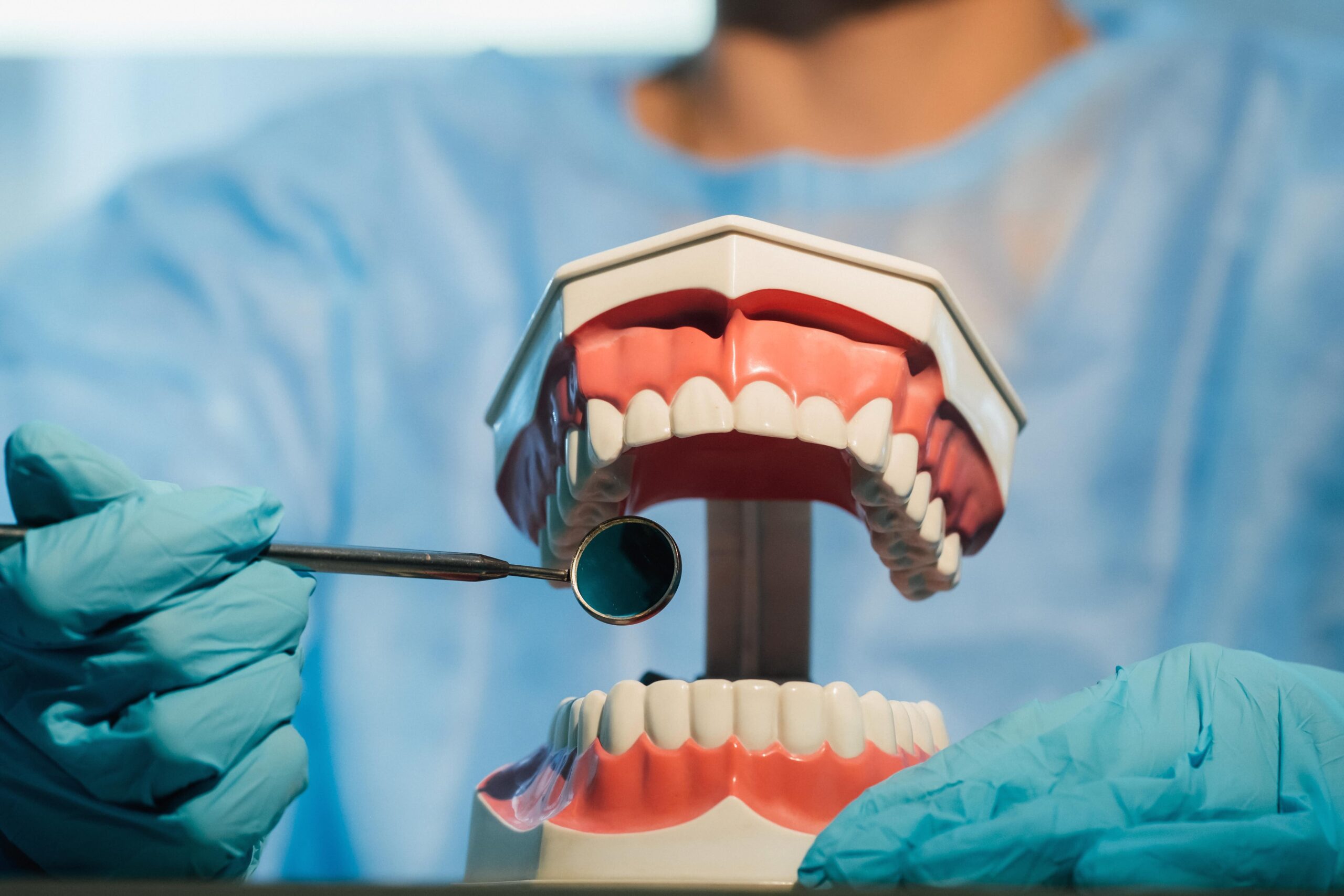
Whitening gels lighten natural enamel only. They do not change the color of crowns, veneers, or fillings. Patients who want one even shade after professional teeth whitening should plan the treatment order first. This guide explains why restorations resist bleaching, what happens when a mixed set of teeth is whitened, and how dentists match shades afterward.
Why Doesn’t Teeth Whitening Work on Restorations?
Whitening gels cannot change restoration color because dental materials lack the porous, stain-holding structure of natural enamel. The American Dental Association (ADA) states that whitening does not work on caps, veneers, crowns, or fillings.
Whitening products use peroxide agents, such as hydrogen peroxide and carbamide peroxide. These agents pass through enamel and break down stain molecules inside the tooth. Restorations contain no such stain molecules. Their color comes from the material itself. Bleaching may lift surface stain on a restoration, but it does not change the shade of the material (Dentalcare.com, Course 657).
These materials do not respond to bleaching:
- Porcelain, used in veneers and crowns
- Zirconia, used in crowns and bridges
- Composite resin, used in bonding and tooth-colored fillings
- Glass ionomer, used in some fillings
- Dental amalgam, used in silver fillings
Can You Whiten Dental Bonding?
No. Peroxide gels do not lighten composite resin bonding, so the bonded area keeps its original shade while surrounding enamel brightens. Composite resin also absorbs surface stain from coffee, tea, and red wine over time. A dentist can polish the surface to remove light staining. Deeper discoloration requires replacing the material. Patients with bonded front teeth or tooth-colored fillings should whiten first and replace the resin afterward to match the new shade.
What Happens If You Whiten Around a Crown?
The natural teeth next to the crown lighten, but the crown keeps its original shade, which creates a visible color mismatch. The mismatch is most noticeable on front teeth. A crown also covers the tooth beneath it, so that tooth cannot be whitened. Gel that touches the gum line or an exposed crown margin can irritate gum tissue. Patients with crowns on visible teeth should discuss shade goals with a dentist before whitening.
Does Whitening Change the Color of Veneers?
No. Porcelain veneers keep their shade after whitening because ceramic does not absorb stains or react with peroxide. Veneers cover the front surface of a tooth. The natural tooth edges at the gum line and the neighboring teeth still lighten. This can leave a visible shade gap between the veneer and nearby enamel. Patients considering porcelain veneers should finish whitening before the veneer shade is selected.
In What Order Should Patients Whiten Teeth and Replace Restorations?
Whiten natural teeth first, then place or replace restorations to match the new shade. Whitening after restorations are placed can force a second round of replacements, which adds appointments and cost. The table below shows how each restoration responds and which matching option applies.
| Restoration | Changes color with whitening? | Matching option |
|---|---|---|
| Porcelain veneer | No | Replace after whitening |
| Porcelain or zirconia crown | No | Replace after whitening |
| Composite bonding | No | Polish or replace |
| Composite filling | No | Replace after whitening |
| Amalgam filling | No | Replace with tooth-colored material if desired |
Dentists typically wait about two weeks after whitening before bonding or placing new work. Peroxide temporarily reduces adhesive strength, and the tooth shade needs time to stabilize (Dentalcare.com, Course 657).
Shade matching follows a set sequence:
- The dentist examines the teeth and maps every existing restoration.
- The dentist whitens the natural teeth.
- The shade stabilizes for about two weeks.
- The dentist selects the new shade and replaces visible restorations.
The dentist compares the stabilized tooth color against a shade guide, such as the VITA Classical A1–D4 guide. A dental lab or the dentist then selects ceramic or composite in that shade. Replacing dental crowns after whitening gives the closest match across the smile.
Can Professional Cleaning Remove Stains From Restorations?
Yes. Professional polishing removes surface stains from composite and porcelain restorations, but it does not change the underlying shade of the material. Dentists use polishing pastes and rubber cups for this step. Composite stains more easily than porcelain. Cleanings scheduled about every six months help limit stain buildup on both materials and on natural enamel.
What Are the Risks of Whitening With Existing Restorations?
Whitening with restorations in place carries two main risks: uneven color and tooth or gum sensitivity. Temporary sensitivity and gum irritation are the most common side effects of peroxide whitening. Worn restoration margins may expose dentin, which can increase sensitivity. A dental exam before treatment identifies these margins, along with decay and gum disease. Treating those conditions first reduces the chance of discomfort and keeps the whitening plan accurate.
Get Whitening and Shade-Matched Restorations in Roseville and Yuba City?
Tooth by Sunny Badyal DDS begins whitening with a dental exam of the teeth and gums, which identifies existing restorations before treatment. The practice has two offices: Roseville and Yuba City. Patients from Rocklin, Granite Bay, and Lincoln can reach the Roseville office. Patients from Marysville, Live Oak, and Sutter can reach the Yuba City office.
Patients planning whitening, veneers, or crown replacement can ask for a shade plan at the same visit. To schedule an exam, contact the office. Roseville patients can find directions on the Tooth by Sunny Badyal Google Business Profile.
FAQs
Can you whiten a single crowned tooth?
No, because the crown’s shade is fixed, so the options are whitening the neighboring teeth or replacing the crown to match.
How long should you wait to get new veneers or bonding after whitening?
Dentists typically wait about two weeks so the tooth shade stabilizes and adhesion returns to normal.
Will whitening make my fillings look darker?
Fillings do not change color, but they can look darker next to enamel that has lightened.
Can a dentist whiten veneers?
No, because porcelain does not respond to peroxide, so replacing the veneer is the way to change its shade.