Roseville :(916) 630-7633

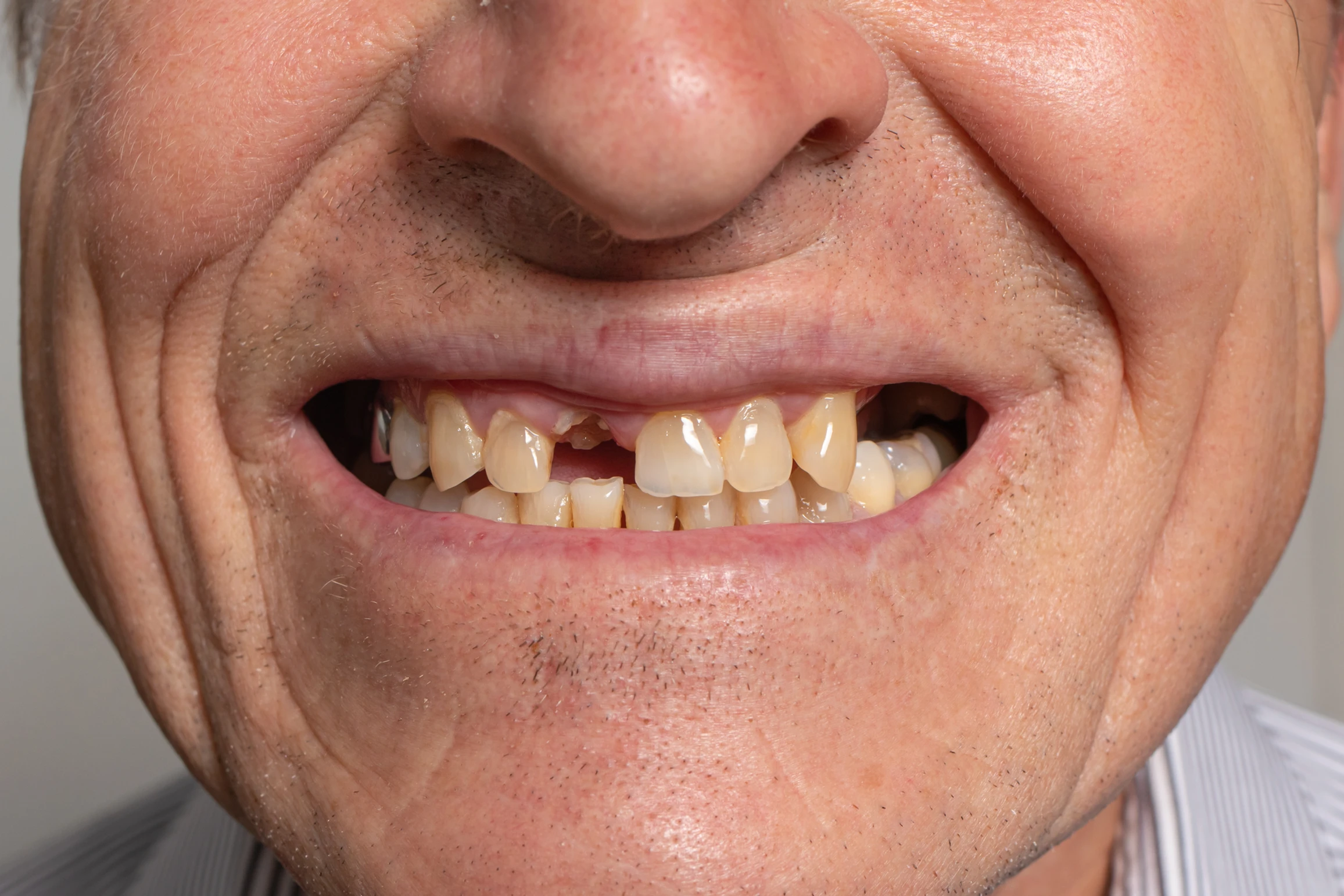
When we talk about missing teeth, we often focus on the physical aspects: the difficulties in eating, the shifting of remaining teeth, or the consequences for our oral health.
However, it’s equally important to consider the often-overlooked psychological impact of tooth loss. Missing teeth can be a silent epidemic, affecting not only our oral health but also our self-esteem and overall quality of life.
In this blog, we’ll explore the psychological effects of missing teeth, common causes of tooth loss, and why it’s essential to address this issue.
The Emotional Toll of Tooth Loss
Losing a tooth or multiple teeth can have a profound impact on a person’s emotional well-being. Here are some of the ways in which missing teeth can affect individuals:
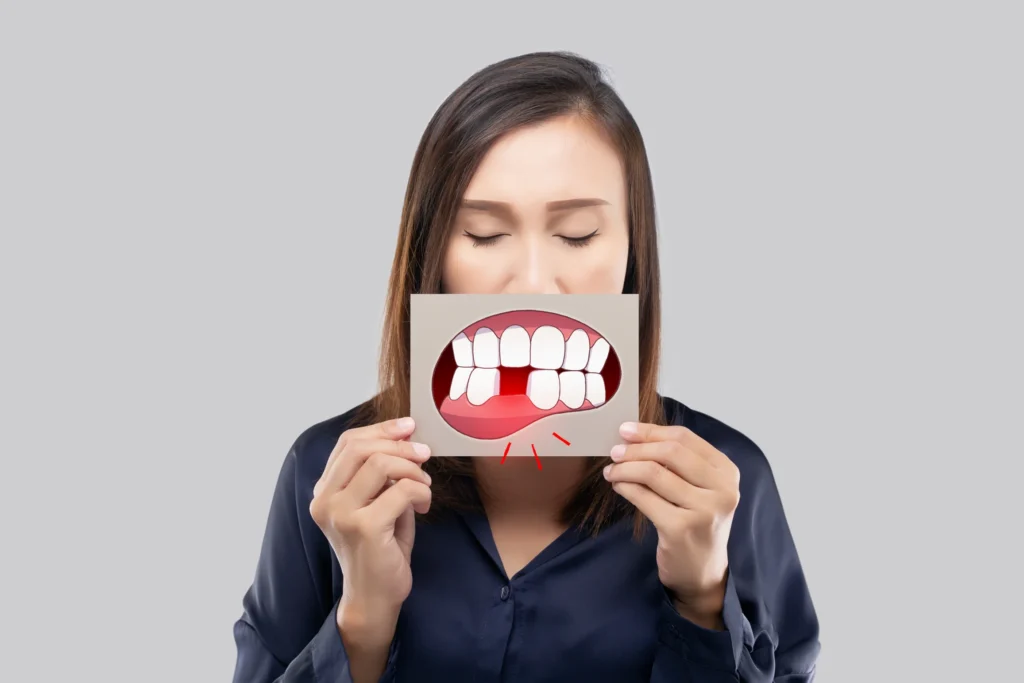
1. Self-Esteem and Confidence: Missing teeth can significantly erode a person’s self-esteem. Smiling becomes a source of anxiety, and many individuals become self-conscious about their appearance, often avoiding social situations and events. The fear of judgment from others can lead to a withdrawal from social interactions and a sense of isolation.
2. Reduced Quality of Life: The inability to enjoy favorite foods or speak with confidence can diminish one’s quality of life. Missing teeth can limit dietary choices and make it challenging to maintain a balanced, nutritious diet. Additionally, speech difficulties can lead to communication problems, causing frustration and isolation.
3. Social Stigma: Society often places an unfair stigma on those with missing teeth. This can lead to discrimination in both personal and professional spheres, potentially affecting career opportunities and personal relationships.
Common Causes of Tooth Loss
Understanding the common causes of tooth loss is the first step in addressing this issue:
1. Tooth Decay: Dental caries, commonly known as cavities, can lead to tooth loss when left untreated. Regular dental check-ups and good oral hygiene are essential in preventing decay.
2. Gum Disease: Periodontal disease is a leading cause of tooth loss. It starts with gingivitis but can progress to severe gum damage if not managed in its early stages.
3. Trauma: Accidents, sports injuries, or other traumatic events can result in tooth loss. Prompt action and dental intervention can sometimes save a damaged tooth.
4. Age and Wear: As we age, natural wear and tear on teeth can cause them to become weaker, leading to loss.
Why It’s Essential to Address Missing Teeth
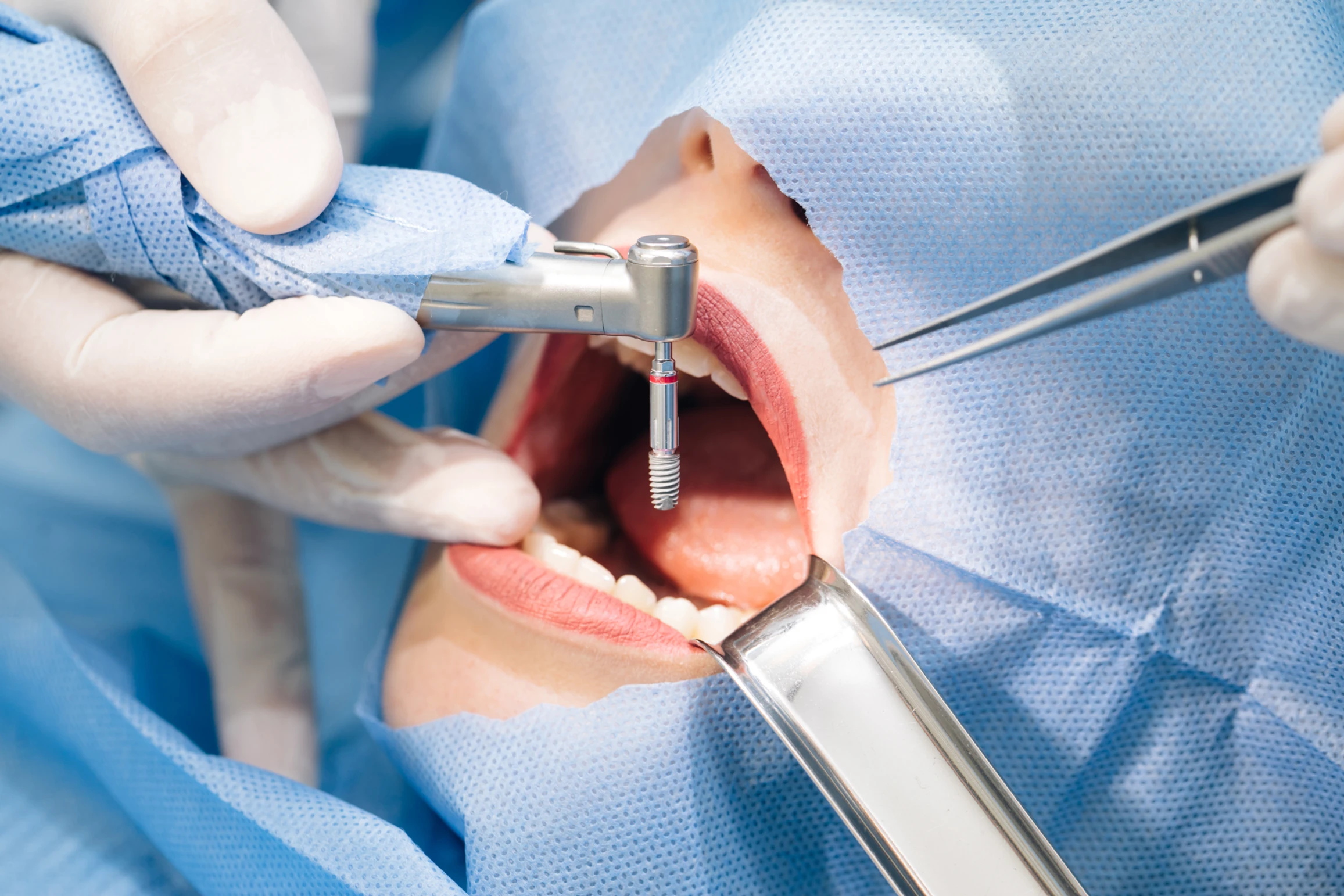
Addressing missing teeth is not just about improving aesthetics; it’s about restoring a person’s sense of self-worth and overall well-being. Dental implants, a modern and effective solution, can offer numerous benefits, including:
1. Natural Appearance: Dental implants look and feel like natural teeth, restoring the patient’s smile and confidence.
2. Improved Oral Health: Implants help preserve jawbone density and prevent the shifting of adjacent teeth, reducing the risk of further dental issues.
3. Enhanced Functionality: Dental implants allow patients to enjoy their favorite foods, speak clearly, and smile without hesitation.
4. Emotional Well-being: By restoring a patient’s smile and self-esteem, dental implants can have a profound positive impact on their psychological health and overall quality of life.
If you’re looking for guidance on the best solution for your specific situation, we invite you to reach out to our experienced dental professionals. For a free consultation to explore your options and regain your confidence and smile, don’t hesitate to contact Dr. Sunny Badyal today. Your journey toward a healthier, more confident you begins here.
Frequently Asked Questions
1. How does missing teeth affect mental health?
Missing teeth can affect mental health by reducing self-confidence, increasing self-consciousness, and creating anxiety about smiling or speaking. Some people may avoid social gatherings or conversations because they feel embarrassed about their appearance.
2. Can missing teeth affect your confidence and self-esteem?
Yes. Missing teeth can make people feel uncomfortable about their smiles, especially in social or professional situations. This may affect their willingness to interact with others, take photographs, or speak confidently.
3. What are the most common causes of missing teeth?
Common causes of tooth loss include untreated tooth decay, advanced gum disease, physical injuries, accidents, and age-related dental wear. Poor oral hygiene and delayed dental treatment can also increase the risk of losing teeth.
4. Can missing teeth affect your speech and eating habits?
Yes. Missing teeth can make certain sounds difficult to pronounce and affect chewing efficiency. Depending on the location and number of missing teeth, people may avoid certain foods or experience changes in their dietary habits.
5. Can dental implants improve confidence after tooth loss?
Dental implants can help restore the appearance and function of missing teeth. They provide a stable foundation for replacement teeth, helping patients smile, speak, and eat more comfortably. Restoring a smile may also improve self-confidence and overall quality of life. However, suitability depends on individual oral health and bone condition.