Roseville :(916) 630-7633

A crown after root canal treatment is common, but it is not necessary for every tooth. The decision depends on the tooth’s location, remaining healthy structure, and risk of fracture. Patients considering restorative treatment can explore dental crowns at Tooth By Sunny Badyal DDS to understand how a custom restoration can protect a weakened tooth. A dental examination helps determine whether a permanent filling, bonded restoration, or full-coverage crown is appropriate.
Why Do Some Teeth Need a Crown After Root Canal Treatment?
Some root canal-treated teeth need crowns because removing decay and accessing the pulp can leave insufficient tooth structure to withstand normal chewing forces.
Root canal treatment removes infected or inflamed pulp tissue from inside a tooth. The dentist cleans, shapes, and seals the root canals to preserve the natural tooth.
The treatment itself does not automatically make a tooth fragile. However, the decay, cracks, previous fillings, and structural damage that led to treatment can weaken it.
A tooth with substantial structural loss may become vulnerable to fracture. This is particularly important for molars and premolars because they handle considerable chewing pressure.
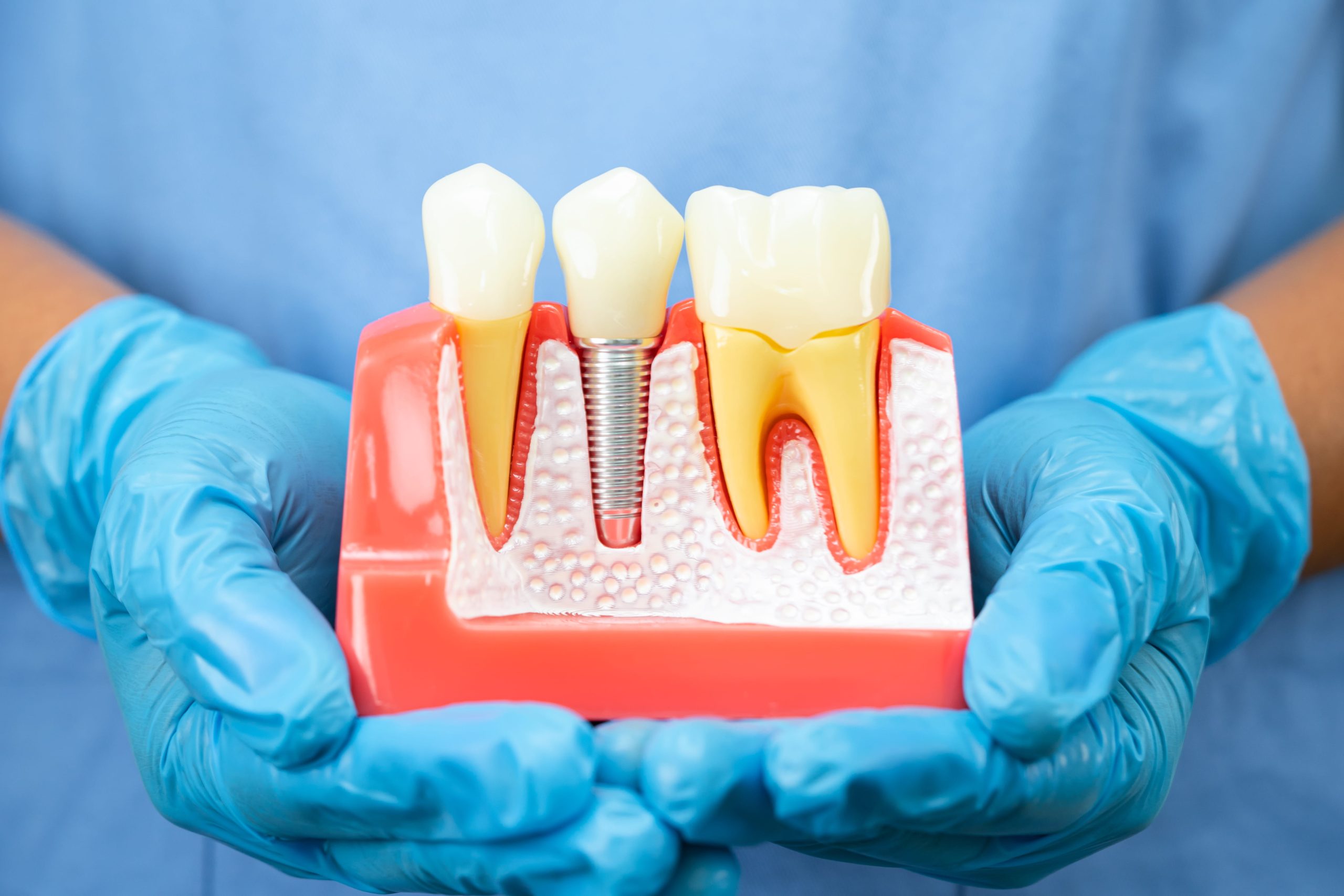
A dental crown covers the visible portion of the prepared tooth. It helps distribute biting forces and protects the remaining structure from damage.
The American Association of Endodontists (AAE) identifies the amount of remaining tooth structure and the type of tooth as important factors when selecting a final restoration.
Do Front Teeth Always Need Crowns After a Root Canal?
No, front teeth do not always require crowns after root canal treatment because a bonded composite filling may provide sufficient restoration when the remaining structure is strong.
Front teeth include incisors and canines. They primarily perform cutting and tearing functions.
When a front tooth has minimal damage, a dentist may restore the access opening with tooth-colored composite resin. This approach preserves more natural tooth structure.
However, a crown may be recommended when:
- Extensive decay has weakened the tooth.
- Large existing fillings have reduced structural support.
- Cracks affect the remaining tooth structure.
- Significant portions of the tooth are missing.
- The tooth needs additional protection against fracture.
The decision should be based on the condition of the individual tooth, not simply its position in the mouth.
Do Molars and Premolars Need Crowns After Root Canal Treatment?
Molars and premolars frequently need crowns after root canal treatment because their chewing surfaces experience substantial biting forces.
Back teeth have a different functional role from front teeth. Molars grind food, while premolars assist with crushing and chewing.
Their chewing surfaces contain raised structures called cusps. When decay or previous restorations weaken these cusps, normal biting pressure can cause fractures.
A full-coverage crown protects the remaining tooth by covering its prepared chewing surface and surrounding structure.
The AAE’s clinical standards identify crown placement as an important part of restoring posterior teeth after root canal treatment.
However, not every premolar or molar automatically requires a traditional crown. A dentist may consider a bonded restoration when sufficient healthy tooth structure remains and the fracture risk is low.
What Factors Determine Whether You Need a Dental Crown?
The amount of remaining healthy tooth structure is one of the most important factors when deciding between a crown and a filling.
A dentist evaluates several clinical characteristics before recommending the final restoration.
The main considerations include:
- Remaining tooth structure: A tooth with several intact walls may support a conservative bonded restoration.
- Existing fillings: Large amalgam or composite fillings can reduce the amount of healthy supporting enamel and dentin.
- Cracks and fractures: Existing cracks may increase the risk of further structural damage.
- Tooth location: Molars and premolars experience different chewing forces from incisors and canines.
- Biting pressure: Bruxism, which involves grinding or clenching, can increase mechanical stress on teeth.
- Previous dental damage: Extensive decay or repeated restorative procedures can affect the tooth’s ability to support a filling.
Dental X-rays and a clinical examination help assess the root, surrounding bone, and remaining tooth structure.
A post may sometimes be needed to retain the core buildup when insufficient natural structure remains. However, a post does not automatically strengthen the root or eliminate fracture risk.
Can a Filling Be Enough Instead of a Crown?
Yes, a permanent bonded filling can be sufficient when a root canal-treated tooth has minimal structural damage and enough healthy tooth structure remains.
Composite resin is a tooth-colored material that bonds to the remaining tooth structure. It can restore a small access opening while preserving natural enamel and dentin.
A direct restoration may be appropriate when:
- The access preparation is conservative.
- The tooth has intact marginal ridges.
- There are no significant existing cracks.
- The remaining walls provide adequate support.
The AAE’s 2019 treatment standards recognize bonded intracoronal restorations as a valid option for selected teeth with minimal structural loss.
A filling is not automatically the less expensive or better long-term choice. Its suitability depends on how much support the tooth retains and how much pressure it experiences during chewing.
When Should a Crown Be Placed After Root Canal Treatment?
A permanent restoration should be placed as soon as clinically practical after root canal treatment, particularly when the tooth requires protection against fracture.
The dentist may place a temporary filling after completing the root canal. This protects the access opening until the definitive restoration is ready.
However, a temporary filling should not be treated as a permanent solution.
The timing of crown placement depends on factors such as:
- Completion of root canal treatment.
- Presence of infection or persistent symptoms.
- Amount of remaining tooth structure.
- Readiness of the tooth for final restoration.
- Need for additional restorative procedures.
A 2016 study published in the Journal of Endodontics found an association between restoration type, timing of crown placement, and survival of root canal-treated teeth. Its findings support avoiding unnecessary delays when a crown is clinically indicated.
Your dentist should provide a restoration schedule based on the tooth’s condition.
What Happens If You Do Not Get a Recommended Crown?
Delaying a clinically necessary crown can increase the risk of tooth fracture, restoration failure, and eventual tooth loss.
A weakened tooth may initially feel normal. However, chewing forces can gradually damage unsupported cusps or existing cracks.
Possible complications include:
- Cusp fracture: A weakened section of the chewing surface breaks.
- Vertical tooth fracture: A crack extends toward the root and may compromise the tooth.
- Restoration failure: An existing filling breaks, loosens, or loses its seal.
- Bacterial contamination: Gaps in the restoration can allow bacteria to enter the treated tooth.
A severe fracture extending below the gumline may make the tooth difficult or impossible to restore.
Not every tooth without a crown will fracture. However, leaving a tooth without its recommended definitive restoration can compromise its long-term prognosis.
Where Can You Get a Dental Crown in Yuba City?
Patients in Yuba City can consult Tooth By Sunny Badyal DDS to evaluate whether a dental crown or another restoration is appropriate after root canal treatment.
Visit our clinic; our practice provides porcelain dental crowns for teeth that are broken, weakened, severely decayed, or structurally compromised. Its crown treatment process generally involves examining the tooth, preparing it, taking impressions, placing a temporary crown, and fitting the permanent restoration.
If you have recently completed a root canal, an examination can help establish whether your tooth needs full coverage or a more conservative restoration.
Patients looking for a dental crown consultation in Yuba City can contact the practice or use the contact page to request an appointment.
The final recommendation should reflect the tooth’s remaining structure, location, and functional demands. A personalized restorative assessment helps determine the appropriate way to preserve the treated tooth.
Frequently Asked Questions
1. Is a crown mandatory after every root canal?
No, a crown is not mandatory after every root canal because some teeth can be restored successfully with bonded composite fillings.
2. How long can a root canal-treated tooth last without a crown?
Its lifespan depends on remaining tooth structure, restoration quality, biting forces, and oral hygiene; there is no fixed lifespan for every tooth.
3. Do front teeth need crowns after root canal treatment?
Not always. Front teeth with minimal structural damage may only require a permanent tooth-colored filling.
4. Can I eat normally after a root canal without a crown?
Avoid chewing hard or sticky foods on the treated tooth until your dentist confirms that its permanent restoration is adequate.
5. Does a dental crown prevent a root canal-treated tooth from breaking?
A properly designed crown helps protect weakened tooth structure, but it cannot eliminate every possibility of fracture.