Roseville :(916) 630-7633

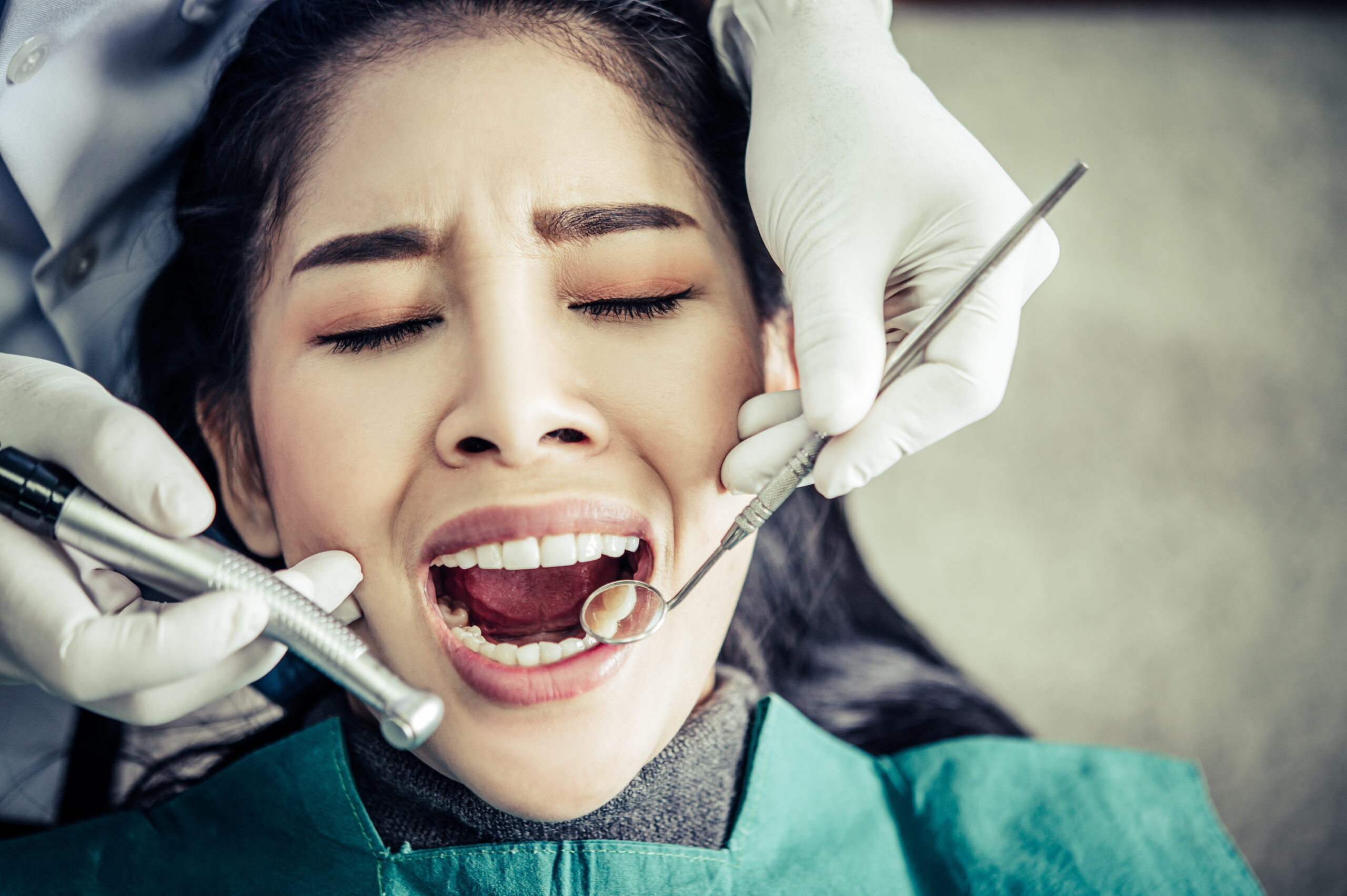
If you’ve ever woken up with a sore jaw, heard a pop when you open wide for a bite of your morning bagel, or noticed your temples ache by mid-afternoon, you’ve probably wondered whether something more than “just stress” is going on. These are some of the most common early signs your jaw pain could be TMJ, a condition tied to the joint that connects your lower jaw to your skull. At Tooth By Sunny Badyal, our team sees this question often from patients throughout Roseville, and understanding the warning signs is the first step toward getting real relief through TMJ treatment.
Quick answer: Jaw pain is likely TMJ-related if it comes with clicking or popping when you chew, tenderness near the ears, frequent headaches, or a jaw that feels stiff or “stuck” in the morning. These symptoms point to strain or irritation in the temporomandibular joint and generally respond well to evaluation and conservative treatment such as a custom nightguard.
What Is TMJ, Exactly?
The temporomandibular joint (TMJ) is the hinge that lets you talk, chew, and yawn — you have one on each side of your jaw, just in front of your ears. When that joint becomes inflamed, misaligned, or overworked, dentists refer to the resulting condition as TMD, or temporomandibular joint disorder, though most people simply call it “TMJ.” It’s an umbrella term for problems ranging from mild muscle tension to more significant joint dysfunction, and it’s far more common than most patients realize — some estimates suggest that a meaningful share of adults will experience TMJ-related symptoms at some point in their lives, even if many never connect the dots to their jaw.
Common Signs Your Jaw Pain Could Be TMJ
Not every ache near your jaw is TMJ, so it helps to know which symptoms tend to travel together.
Jaw pain or tenderness near the ear. This is often the first thing patients notice — a dull ache or soreness just in front of the ear, sometimes mistaken for an earache. It can worsen with chewing, yawning, or talking for long periods.
Clicking, popping, or grinding sounds. A clicking sound when you open or close your mouth doesn’t always mean something serious, but if it’s accompanied by pain, stiffness, or a sensation that your jaw is catching, it’s worth having evaluated.
Frequent headaches or facial pain. Because the muscles that control your jaw connect to the same muscle groups involved in tension headaches, TMJ disorders are a surprisingly common — and often overlooked — cause of recurring headaches, particularly around the temples.
Difficulty chewing or a jaw that locks. Some patients notice their bite feels “off,” or that fully opening their mouth becomes uncomfortable or limited. In more pronounced cases, the jaw can briefly lock in an open or closed position.
Morning jaw stiffness. If you clench or grind your teeth at night (a habit known as bruxism), you may wake up with a sore, tight jaw that gradually loosens as the day goes on.
What Causes TMJ Disorders?
TMJ problems rarely have a single cause. Teeth grinding and clenching, often stress-related, put repeated strain on the joint and surrounding muscles. A misaligned bite can force the jaw to work harder than it should. Injuries to the jaw, arthritis in the joint itself, and even prolonged poor posture (think: hours hunched over a laptop) can all contribute. For many patients, it’s a combination of factors rather than one obvious trigger, which is part of why an in-person evaluation matters more than guessing based on symptoms alone.
When Jaw Pain Needs Prompt Attention
Most TMJ discomfort develops gradually and can be managed with a proper evaluation and treatment plan. But some symptoms warrant faster attention — a jaw that suddenly locks and won’t open or close, significant swelling, or pain severe enough to interfere with eating or speaking. If you’re dealing with symptoms like these outside of a scheduled visit, our emergency dental care team can help you get evaluated quickly rather than waiting it out at home.
How TMJ Is Diagnosed and Treated
A TMJ evaluation typically starts with a conversation about your symptoms — when the pain started, what makes it better or worse, and whether you’ve noticed clenching or grinding. From there, your dentist examines your bite alignment and the movement of the joint itself, checking for clicking, tenderness, or restricted motion.
Treatment is almost always conservative before anything more involved is considered. A custom-fitted nightguard is one of the most common and effective solutions, reducing the pressure placed on the joint from clenching during sleep. Beyond that, your dentist may recommend jaw relaxation exercises, adjustments to correct bite misalignment, or simple lifestyle changes like avoiding excessively chewy foods and being mindful of daytime jaw tension. Most patients see meaningful improvement without needing surgery or aggressive intervention.
Why Early Evaluation Makes a Difference
Left unaddressed, chronic jaw clenching and joint strain can gradually wear down tooth enamel, contribute to cracked teeth, and make the underlying joint problem harder to treat down the road. Catching TMJ symptoms early generally means a simpler, less invasive path to relief — which is exactly why persistent jaw discomfort deserves a real evaluation rather than being written off as normal stress.
Local Care for Roseville and Yuba City Patients
Patients throughout Roseville, along with nearby Rocklin, Granite Bay, and Lincoln, rely on our team for jaw pain evaluations that go beyond a quick guess. We also welcome patients from Yuba City, Marysville, Live Oak, and Sutter at our second location — so no matter which side of the Sacramento area you’re on, personalized TMJ care is close by.
Don’t let jaw pain quietly become a bigger problem. If you’re noticing clicking, morning stiffness, or recurring headaches, our team at Tooth By Sunny Badyal can help you find out what’s really going on — and get you real relief. Schedule your TMJ evaluation today at our Roseville office.
FAQs
What does TMJ pain typically feel like?
Most patients describe a dull ache near the ear or jaw hinge, sometimes radiating into the temple or cheek. It often worsens with chewing, talking, or first thing in the morning after nighttime clenching.
Can TMJ cause headaches or ear pain?
Yes. Because the jaw muscles are closely connected to muscles used in chewing and facial tension, TMJ disorders frequently cause headaches and can mimic ear pain, even though the ear itself isn’t the source.
Is a clicking jaw always a sign of TMJ?
Not necessarily. Occasional clicking without pain is common and not always a concern. Clicking paired with tenderness, stiffness, or limited jaw movement is what typically points to a TMJ disorder worth evaluating.
Will my jaw pain go away on its own?
Mild, occasional discomfort sometimes improves without treatment, especially if it’s tied to a temporary stressful period. Persistent or worsening symptoms are less likely to resolve on their own and are best evaluated by a dentist.
What is the most common treatment for TMJ?
A custom nightguard is one of the most frequently recommended treatments, since it reduces the pressure placed on the jaw joint from clenching or grinding during sleep.
When should I see a dentist about jaw pain?
If you’re experiencing persistent pain, frequent clicking or popping, difficulty chewing, or a jaw that feels stuck or limited in movement, it’s a good time to schedule an evaluation rather than waiting for symptoms to worsen.